✨ New Arrivals Just Dropped!Explore

$4.97
Original: $16.56
-70%British Army Jack Knife—
$16.56
$4.97The Story
British Army Jack Knife
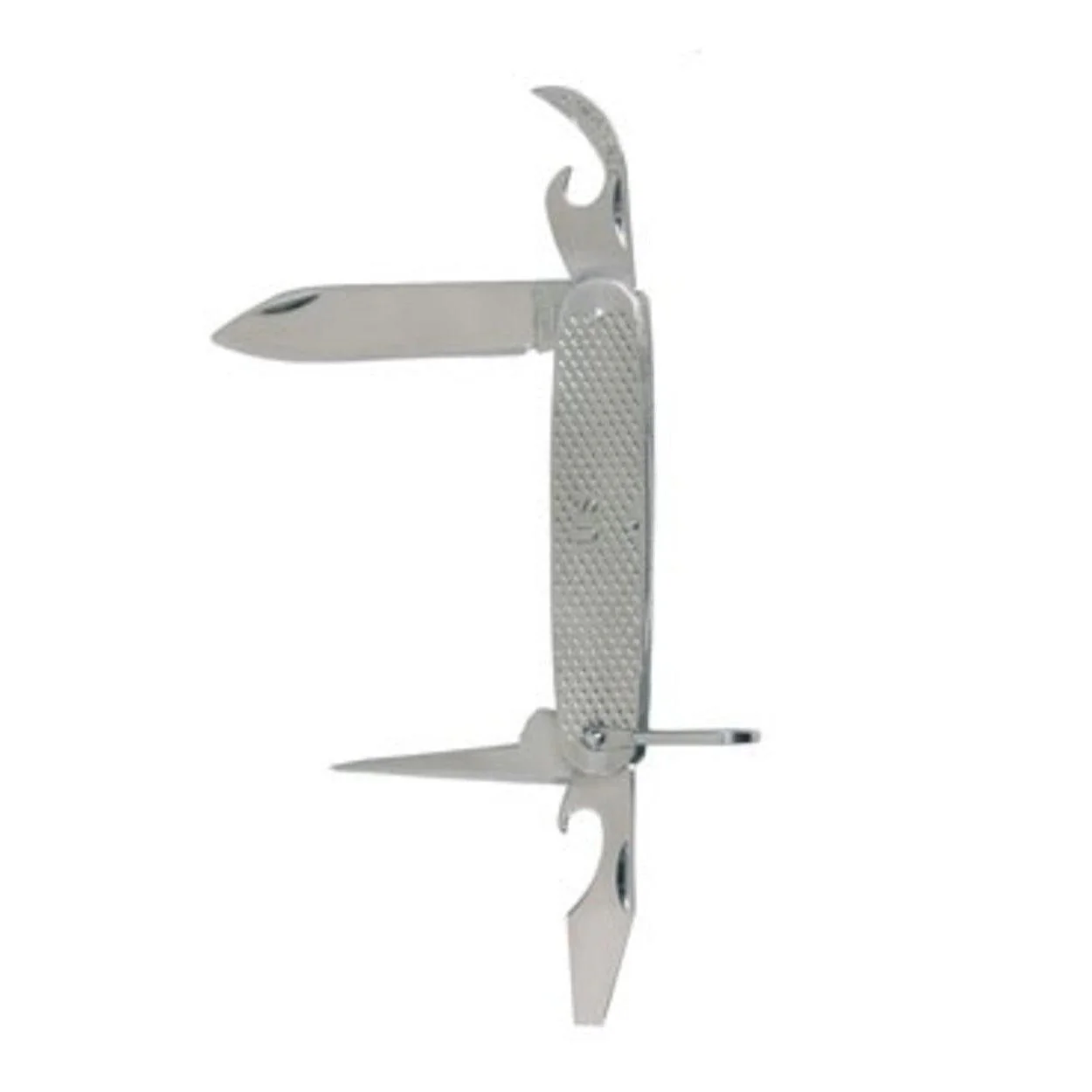
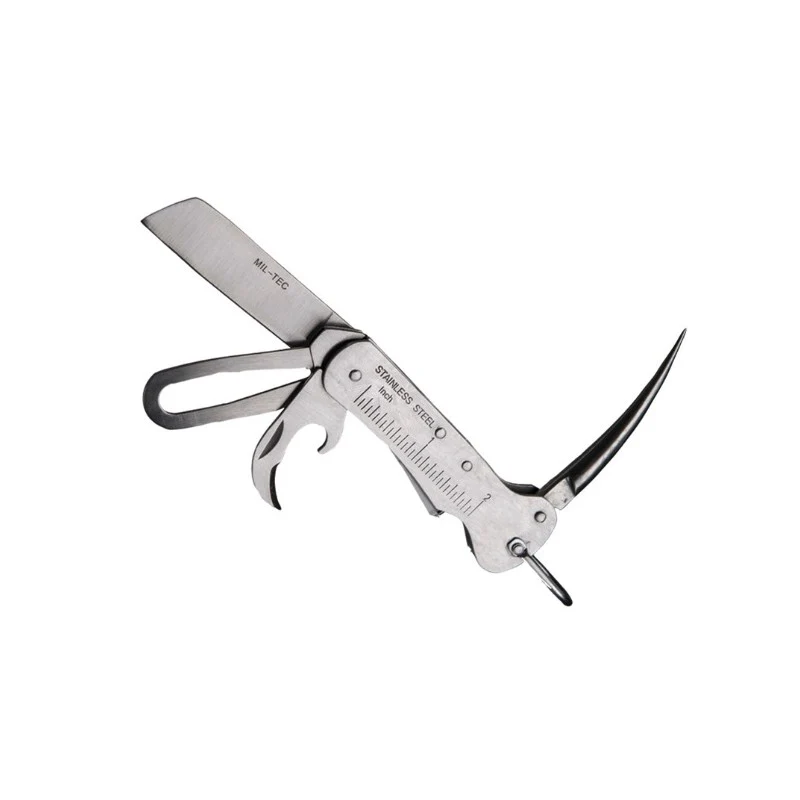
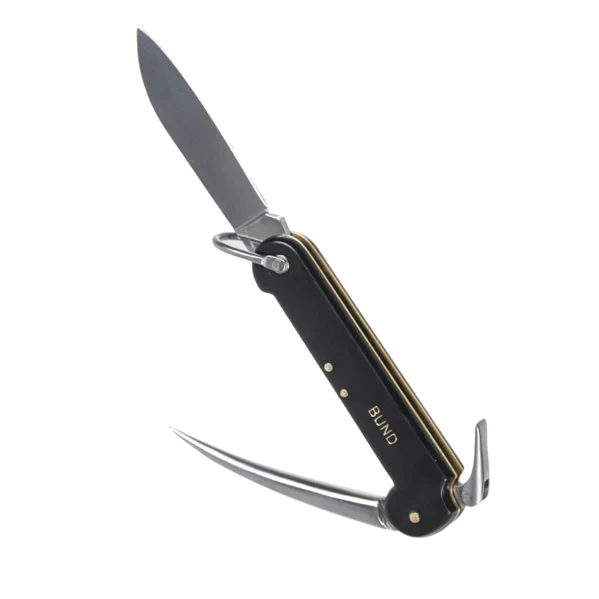
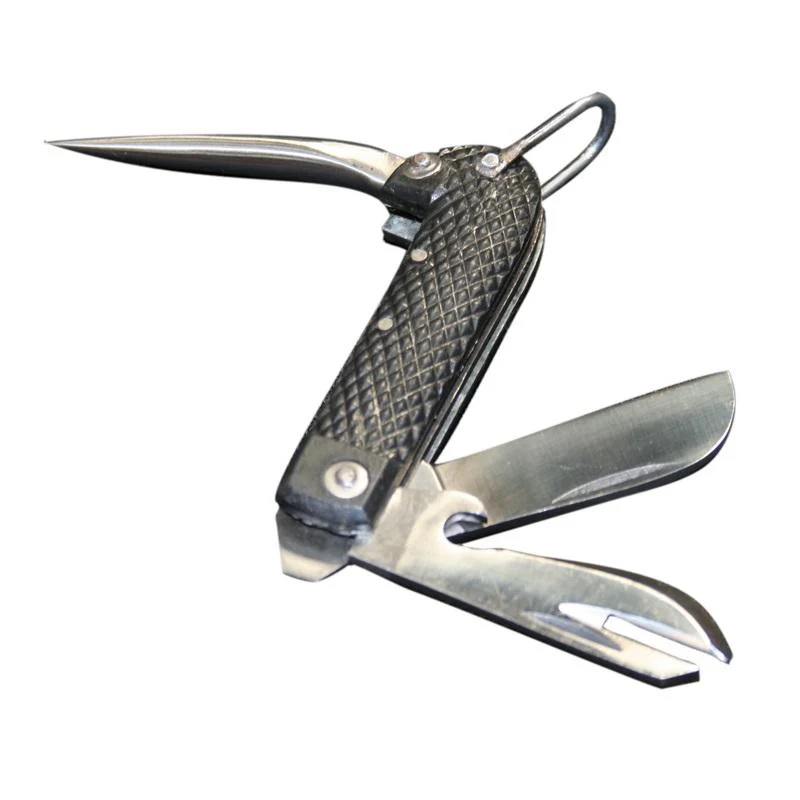
Fitted with single blade, Marlinspike, flathead screwdriver, can opener and steel loop for lanyard.
The knife is not a surplus knife but is distributed by a gov approved supplier
The British Army jack knife, or clasp knife, has a long history, seeing continuous service from the late 1800s well into the 21st century. Its design, standardized in the early 20th century, remained largely unchanged for decades, a testament to its practical utility.
Key Milestones and Features
Standardization (1905): The British Army began standardizing the issue of a basic clasp knife with the Pattern 6353/1905. These early models often included a main blade, a can opener, and sometimes a marlinspike. The marlinspike was originally used for rope work and also served as a hoof pick for mounted troops after the traditional hoof picker was declared obsolete in 1905. The main blade typically featured a "sheepsfoot" design (a straight cutting edge with a dull back that curves toward the edge at the tip), which made it a non-fighting, general utility tool and prevented accidental stabbing.
- World War I Variations: During WWI, material shortages led to variations, such as the use of flat fiber grips instead of horn or bone.
- World War II Era: The WWII-era knives were generally more compact than their WWI counterparts. They typically featured black chequered plastic (Bexoid) scales, a sheepsfoot blade, a can opener, and a marlinspike. A flathead screwdriver was often incorporated into the design as well.
- Post-WWII and Cold War: The design saw few radical changes after WWII, with the 1940 Pattern, with its all-metal construction and large marlinspike, becoming an iconic and long-serving model that remained in use through the Falklands War and beyond. The instruction "Oil the joints" was often stamped on the side as a reminder for maintenance.
- Modern Era: By the early 21st century, the traditional jack knife began to be phased out in favor of more modern multi-tools
Description
British Army Jack Knife
Fitted with single blade, Marlinspike, flathead screwdriver, can opener and steel loop for lanyard.
The knife is not a surplus knife but is distributed by a gov approved supplier
The British Army jack knife, or clasp knife, has a long history, seeing continuous service from the late 1800s well into the 21st century. Its design, standardized in the early 20th century, remained largely unchanged for decades, a testament to its practical utility.
Key Milestones and Features
Standardization (1905): The British Army began standardizing the issue of a basic clasp knife with the Pattern 6353/1905. These early models often included a main blade, a can opener, and sometimes a marlinspike. The marlinspike was originally used for rope work and also served as a hoof pick for mounted troops after the traditional hoof picker was declared obsolete in 1905. The main blade typically featured a "sheepsfoot" design (a straight cutting edge with a dull back that curves toward the edge at the tip), which made it a non-fighting, general utility tool and prevented accidental stabbing.
- World War I Variations: During WWI, material shortages led to variations, such as the use of flat fiber grips instead of horn or bone.
- World War II Era: The WWII-era knives were generally more compact than their WWI counterparts. They typically featured black chequered plastic (Bexoid) scales, a sheepsfoot blade, a can opener, and a marlinspike. A flathead screwdriver was often incorporated into the design as well.
- Post-WWII and Cold War: The design saw few radical changes after WWII, with the 1940 Pattern, with its all-metal construction and large marlinspike, becoming an iconic and long-serving model that remained in use through the Falklands War and beyond. The instruction "Oil the joints" was often stamped on the side as a reminder for maintenance.
- Modern Era: By the early 21st century, the traditional jack knife began to be phased out in favor of more modern multi-tools